

Prior to the late twentieth century, Western beauty culture was commonly defined by the allure of glamorous products, persuasive marketing narratives, and the promise of immediate, visible results. Beauty was positioned as a production, designed to be shown and consumed with little emphasis on long-term maintenance. Over time, however, this cognitive framework began to be superseded as consumers grew fatigued of the spectacle and drawn to a “science-first” approach to cosmetics and wellness.
In response, Western countries–particularly the United States–have begun the journey of adopting clinical beauty solutions and the principles of dermocosmetics, signaling a gradual shift toward trust, efficacy, and dermatological credibility.
The End of Excess
With the demand of dermocosmetics, casually known as “cosmeceuticals,” consumers have begun to leave behind notions of overconsumption and unsustainability. The rise of pharmacy beauty favors simple, high-quality, and dermatologist-recommended products that tend to carry active ingredients with medicinal benefits. Emphasizing efficacy and accessibility, dermocosmetic products can be typically found at affordable retailers, such as pharmacies and drugstores, rather than purchased at high-end or luxury marketplaces.
The fatigue of elaborate, multi-step routines and the overindulgence of products is a result of how the Western beauty industry grew to become consumption-heavy in the early 2010s through social media. This surge in consumption, however, was not accidental by any means. A study published in Frontiers in Public Health observes that “an abundance of items, ranging from cosmetics and hairdressing to fragrances, have flooded the market as the personal care and beauty industry has experienced exponential expansion.” From a formal perspective, skincare has started to become less practical and more performative.
Information consumption has been completely transformed by social media, exposing younger generations to behaviors and trends that aren’t always validated by credible or scientifically-backed sources. Clinics in Dermatology notes that individuals “who are unaware of proper skincare practices are layering multiple products, inadvertently inducing comedones and precipitating acne cosmetica or even worsening pre-existing acne vulgaris.” Consumers are encouraged to buy more products and tools than necessary, chronically layering exfoliants, acids, serums, and oils for the sake ofself-care marketed by trending beauty brands and companies. As a result of this, consumers often integrate various active ingredients into their routine without researching their effects. Retinoids, AHAs such as glycolic acid, BHAs such as salicylic acid, and benzoyl peroxide are all ingredients that, when overused, can lead to irritation and sensitivity.
Moderation is key when it comes to taking care of one’s skin, not to mention an exploration into what works best when considering skin type and concerns. The shift in beauty spending toward treatment and prevention-based skincare has already begun to take the skincare industry by storm, and it doesn’t plan on fading out anytime soon.
The Pharmacy Beauty Era
As consumers have begun to pursue skincare routines grounded in clinical benefits, the era of “pharmacy beauty” has emerged as a solution. The gradual integration of topical retinoids and exfoliating acids in the cosmetic industry has led to a prioritization of targeting solutions while protecting overall skin health. The tradition of dermocosmetics originates in France during the early 20th century, when doctors and pharmacists discovered the efficacy of thermal spring water and its antioxidant skincare properties.
French pharmacy brands such as La Roche-Posay, Avène, and Bioderma are now recognized as the foundation of the dermocosmetic movement in the West, increasingly outpacing the overall beauty and personal care (BPC) market. In addition, CeraVe, SkinCeuticals, and The Ordinary are brands that have further pushed the development of dermocosmetics into American markets.
The future of skincare as both an industry and routine has been reprogrammed due to the rise of dermocosmetics, but what exactly are they? These products bridge the gap between dermatology and cosmetics: their ingredient efficacy is recommended by dermatologists and estheticians while their regulatory classification allows them to be marketed in mainstream, accessible retail spaces. Research by in-cosmetics Group reveals the power behind transforming buzzwords into labeling standards, allowing consumers to further understand the function behind the product:
“Marketing claims like ‘microbiome-friendly’, ‘non-comedogenic’, and ‘clinically tested on acne-prone skin’ are gaining traction with consumers seeking not just fast results, but holistic, skin-supported care.”
The age of consumption without discernment has created a lull in consumer interest and intention when considering overall skin health and the care that accommodates it.
Social media and its influencers have opened the door to hyperawareness, promoting astream of product discourse, ingredient value and usage, and regimen advice. While this influx of information offers a better understanding of the various terms that accompany products, conditions, and ingredients, it also perpetuates a self-formulated, do-it-yourself mentality. An article in Dermatology Times reflects on the importance of using facts and education to counterbalance misinformation: by using credible, scientifically-backed sources to stay informed on which skincare products to look out for, “pharmacists can cut through the noise of social media to empower patients to make informed choices about how to take care of their skin.”
The Aesthetic of Trust
Due to the oversaturation of competing brands in the skincare and wellness industry, consumer trust has slowly become a luxury. It’s hard to distinguish between products backed by clinical research and those popularized by push marketing and influence–as a result, consumers are seeking out products with visible signs of credibility, clinical language, and branding without seduction. Around 73% of purchasing decisions are made at the point of sale, and both packaging and labeling are prominent factors when it comes to choosing a product. Design is one of the main branding tools within the cosmetic industry, seeing as consumers are drawn to attractively packaged products that do not compromise the quality of what’s inside.
“The consumer must perceive the quality that the brand has built into the package, which may be accomplished through various design elements. Colour, shape, images, material, and package convenience are all important design elements in cosmetic branding,” SN Business & Economics reviews. “The physical appearance of a product’s packaging is frequently the sole reason for a product’s sale, whether it’s a planned decision or an impulse purchase.”
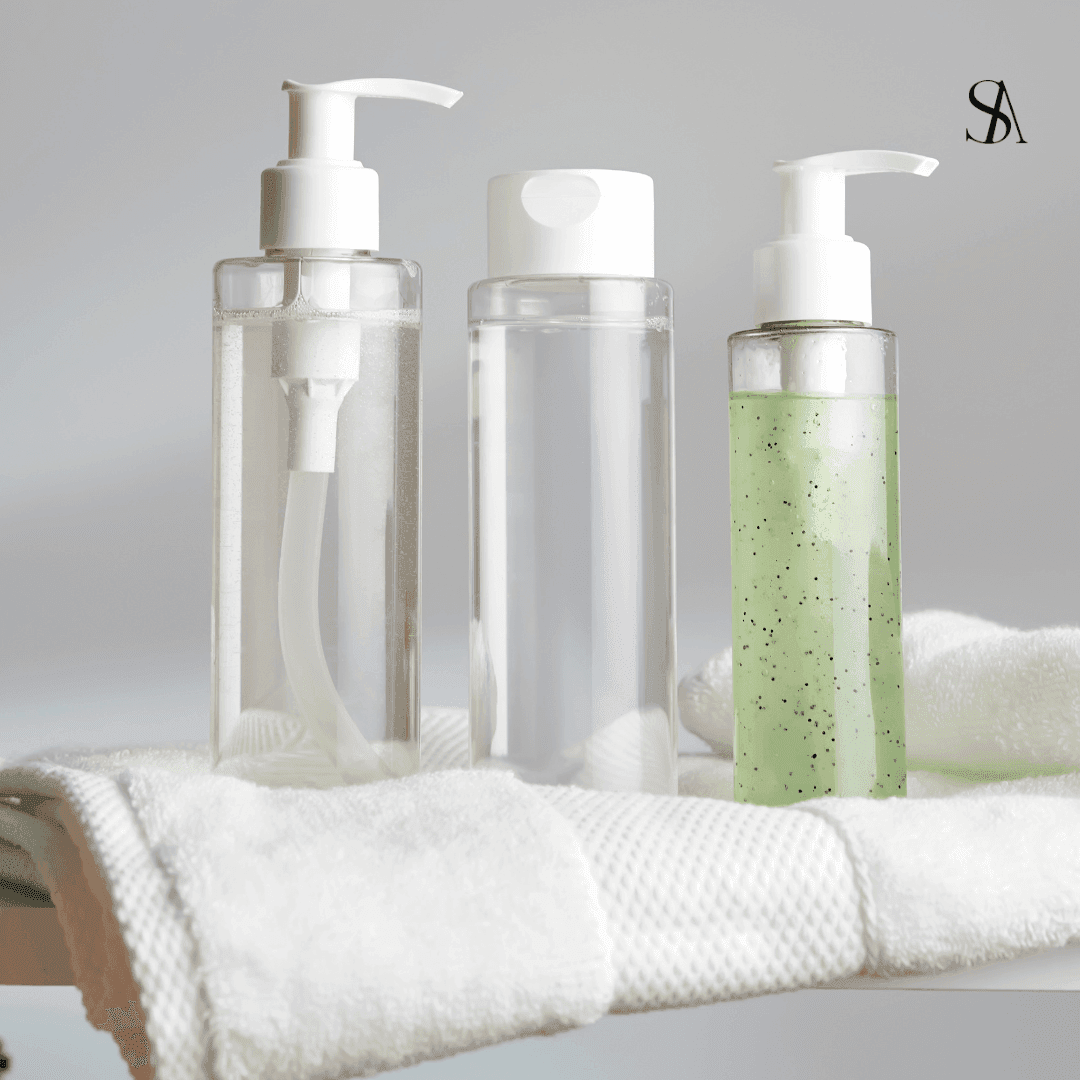
The features of dermocosmetic packaging reflect medical and pharmaceutical product design, using simple color palettes, typography, and ingredient-first labeling. Scientific legitimacy is prioritized over allure and glamour, presenting itself as trustworthy and reliable to retailers and their consumers. The minimalistic composition of these products underline clinical transparency and the value of the formula over the packaging. By using simplified messaging, listing active ingredients, and emphasizing the “dermatologist-tested” label, consumers trust the product for its functionality and commitment.
Progress vs. Retrograde
The era of dermocosmetics and pharmacy beauty demonstrates an inclination for control and maintenance of overall skin health. But what happens when clinical language and products marketed as medically approved become aestheticized or oversaturated? Even though the labeling may seem commercialized due to an influx of dermocosmetic brands in the beauty industry, products claiming medical legitimacy as a branding tool allows consumers to experience and learn more about active ingredients and skin biology. With a better awareness of skincare resources and formulas, there becomes less of a reliance on cosmetic promises that lack dermatological support.
Beauty has started to move away from luxury and closer to healthcare, replacing transformation and immediacy with maintenance and simplicity. Rather than continuing the perpetual distribution stream of new products and goods, the era of pharmacy beauty encourages intentional and moderate consumption. As dermatology and cosmetics continue to merge, the future of Western skincare has begun to shift toward discipline, preservation, and efficacy. While beauty is in the eye of the beholder, it can also be found within the quiet authority of the pharmacy shelf.